
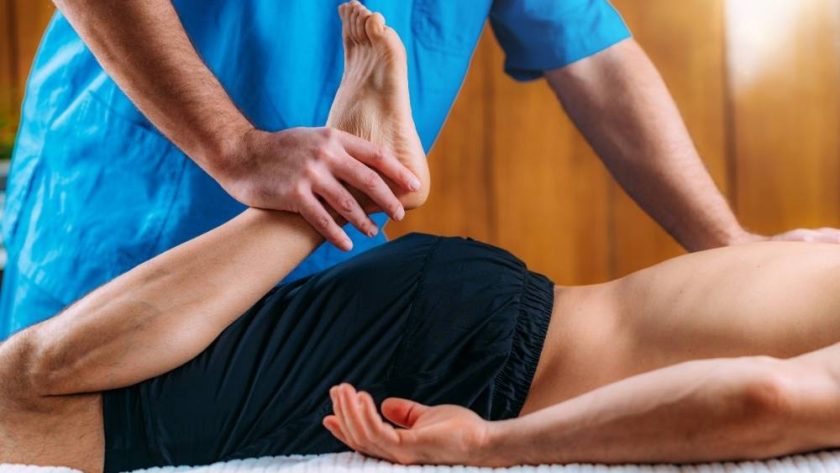
Glasgow is a city that prides itself on its vibrant energy and active lifestyle. From the joggers circling Kelvingrove Park to the dedicated athletes training at the Emirates Arena, the city is home to a diverse range of people committed to their physical health. However, with an active lifestyle comes the inevitable physical strain on the body. This is where the importance of a professional sports massage glasgow becomes evident. Whether you are a professional athlete, a weekend warrior, or someone dealing with the physical stresses of a demanding office job, understanding how sports massage can benefit you is the first step toward better physical health and longevity.
Sports massage is a specialised form of soft tissue therapy that focuses on the needs of individuals who participate in regular physical activity. Contrary to popular belief, it is not reserved solely for elite sportspeople. It is a versatile treatment designed to prevent injury, alleviate muscle tension, and improve overall mobility. In a city like Glasgow, where the weather can often be unpredictable and the terrain varied, maintaining your body’s resilience is essential for staying active year-round.
How Sports Massage Differs from Regular Massage
Many people often confuse sports massage with a traditional Swedish or spa massage. While both involve the manipulation of soft tissues, their objectives and techniques differ significantly. A spa massage is primarily focused on relaxation and stress relief, often using light to medium pressure in a tranquil environment. In contrast, a sports massage is more clinical and functional in its approach. It targets specific muscle groups and connective tissues that are under stress from repetitive movement or intense physical exertion.
The primary goals of a sports massage include:
- Identifying and treating minor soft tissue injuries before they become chronic problems.
- Improving the range of motion and flexibility in key joints.
- Breaking down adhesions or ‘knots’ in the muscle fibres that restrict movement.
- Enhancing blood circulation to promote faster recovery after training sessions.
- Reducing the physiological and psychological effects of physical stress.
The Biological Benefits of Soft Tissue Therapy
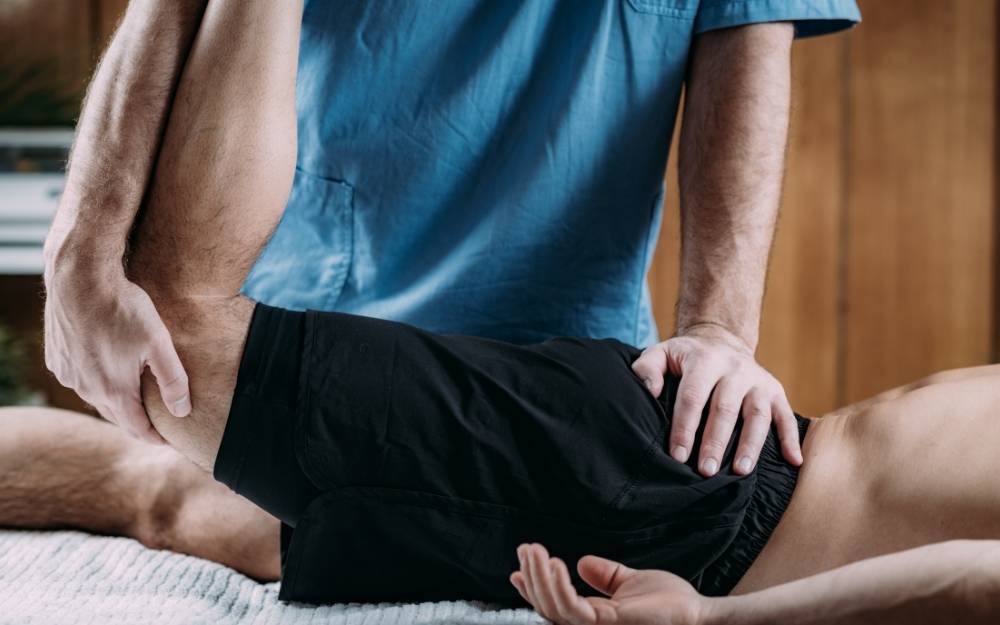
When you undergo a sports massage, several physiological processes occur within the body. The mechanical pressure applied by a therapist helps to dilate blood vessels, which increases the flow of oxygen and nutrients to the muscles. This process is vital for repairing the micro-tears that occur during exercise. Furthermore, the manual manipulation of muscles helps to flush out metabolic waste products, such as lactic acid, which can contribute to post-exercise soreness.
Another significant benefit is the effect on the nervous system. While the pressure used in a sports massage can be intense, it ultimately encourages the body to move from a sympathetic state (fight or flight) to a parasympathetic state (rest and digest). This shift is crucial for recovery, as it lowers cortisol levels and allows the body’s natural healing mechanisms to work more effectively. For those living in the fast-paced environment of Glasgow, this mental reset is just as valuable as the physical relief.
Common Techniques Used by Glasgow Therapists
A qualified therapist providing a sports massage in Glasgow will use a variety of techniques tailored to the individual’s needs. These are not just random movements but are calculated interventions based on an understanding of anatomy and physiology. Some of the most common techniques include:
- Effleurage: Long, sweeping strokes used at the beginning of a session to warm up the tissues and increase blood flow.
- Petrissage: A kneading motion that targets deeper muscle layers to release tension and improve elasticity.
- Friction: Targeted pressure applied across the grain of the muscle fibres to break down scar tissue and adhesions.
- Trigger Point Therapy: Applying direct pressure to specific ‘hot spots’ in the muscle that are causing referred pain elsewhere in the body.
- Myofascial Release: A technique that focuses on the fascia, the connective tissue surrounding the muscles, to improve overall movement patterns.
Why Runners and Cyclists in Glasgow Benefit Most
Glasgow has a thriving community of runners and cyclists. Events like the Great Scottish Run and the proximity to the West Highland Way mean that many locals are constantly pushing their limits. These activities, while excellent for cardiovascular health, can lead to specific issues such as tight hamstrings, iliotibial (IT) band syndrome, and calf strains. Regular sports massage sessions can help manage these conditions by ensuring that the muscles remain supple and the joints are properly aligned.
For cyclists, the repetitive nature of the pedalling motion and the hunched position over the handlebars can lead to lower back pain and tight hip flexors. A therapist can focus on these areas to prevent the development of chronic postural issues. By incorporating sports massage into a training programme, Glasgow’s athletes can ensure they spend more time on the road or trail and less time sidelined by preventable injuries.
The Role of Sports Massage for Office Workers
It is a common misconception that you must be physically active to require a sports massage. In reality, many people seeking a sports massage in Glasgow are office workers who spend long hours at a desk. The human body is not designed to sit for eight hours a day, and this sedentary lifestyle often leads to what is known as ‘postural stress.’ This typically manifests as tension in the neck, shoulders, and lower back.
A sports massage therapist can help counteract the effects of ‘tech neck’ and rounded shoulders by releasing the tight muscles in the chest and neck while stimulating the underactive muscles in the back. This holistic approach not only relieves pain but also improves posture, leading to better focus and productivity throughout the working day. For many professionals in Glasgow’s city centre, a regular session is an essential part of their self-care routine.
What to Expect During Your First Session
If you have never had a sports massage before, it is natural to feel a bit apprehensive. Your first session will usually begin with a brief consultation where the therapist will ask about your medical history, your current activity levels, and any specific areas of pain or discomfort. They may also perform a few simple movement tests to assess your range of motion.
During the massage, communication is key. While sports massage can be uncomfortable at times—especially when the therapist is working on deep-seated tension—it should never be unbearably painful. A professional therapist will always check in with you regarding the pressure and ensure that you are comfortable. After the session, it is common to feel a bit tender for 24 to 48 hours, similar to the feeling after a tough workout. Drinking plenty of water and taking a warm bath can help ease this transition as your body begins the recovery process.
Choosing the Right Sports Massage Provider in Glasgow
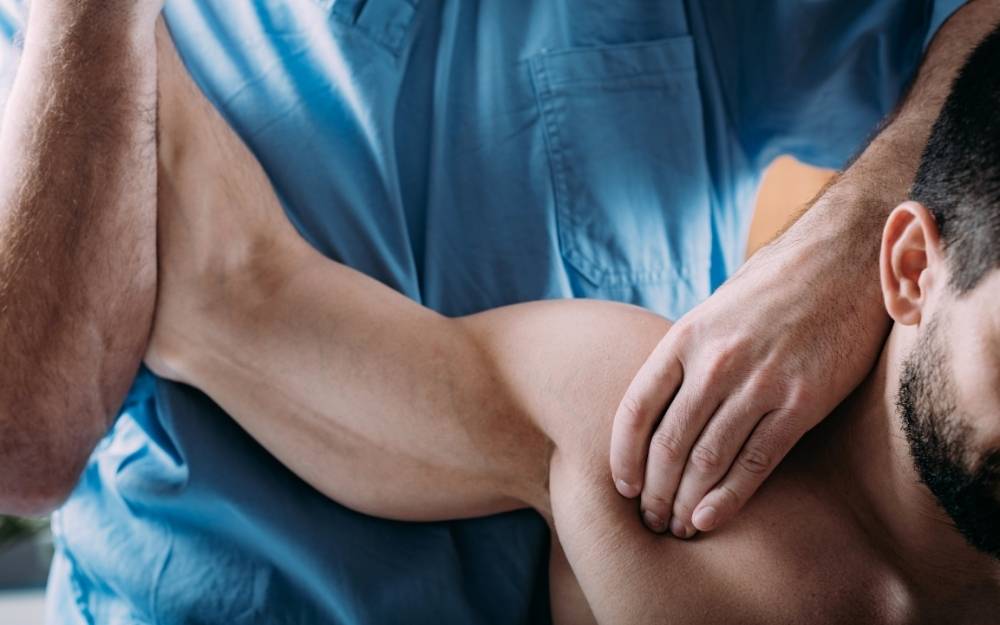
When searching for the best sports massage in Glasgow, it is important to look for a clinic that employs fully qualified and insured therapists. You want someone who understands the complexities of the human body and can provide a bespoke treatment plan rather than a one-size-fits-all approach. Look for clinics that have positive reviews and a reputation for excellence in the local community.
Location and accessibility are also important factors. Many of the best facilities are located near major transport links or within easy reach of the city centre, making it convenient to fit a session into a busy schedule. Whether you are training for a marathon at the Kelvin Hall or simply trying to manage the stresses of daily life, finding a therapist you trust is a vital investment in your long-term health. By prioritising regular maintenance through sports massage, you are giving your body the best possible chance to perform at its peak, regardless of your age or fitness level.

Marc is a gastronomy enthusiast who writes about the art of French cooking, from the perfect soufflé to the secrets of a rich coq au vin.